
Guides & Resources
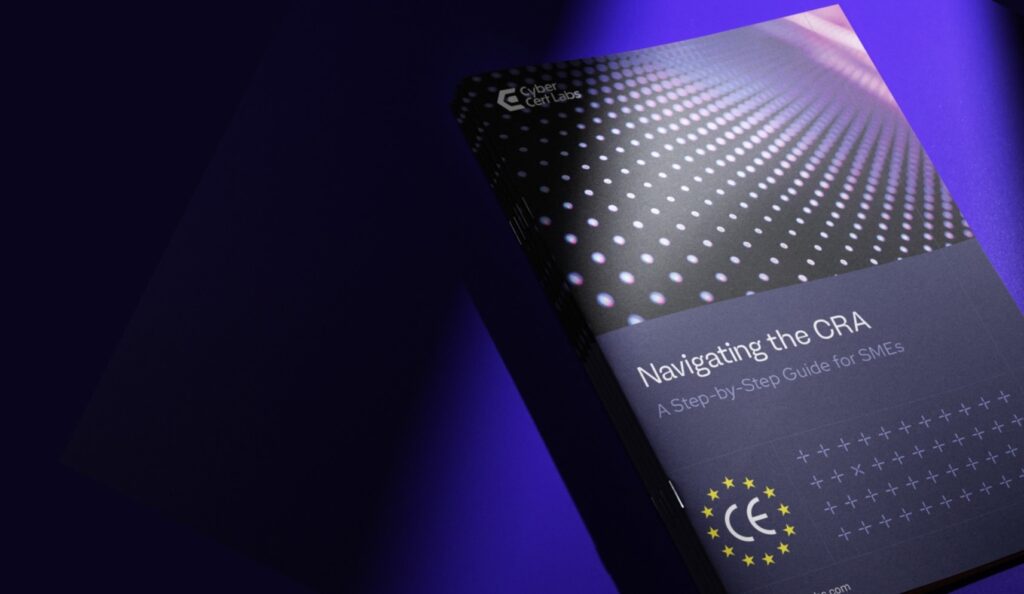
Free Guide for Navigating the Cyber Resilience Act
Read More


Guides & Resources
Up to EUR 30,000 in EU funding for your CRA compliance: the SECURE second open call
The Cyber Resilience Act now applies to nearly every hardware and software product sold in the EU, and since 11 September 2026 its first obligations are live: manufacturers must report actively exploited vulnerabilities and severe incidents. Compliance takes real work, and for a small manufacturer the cost is a genuine barrier. The EU knows this, and it has put money on the table.
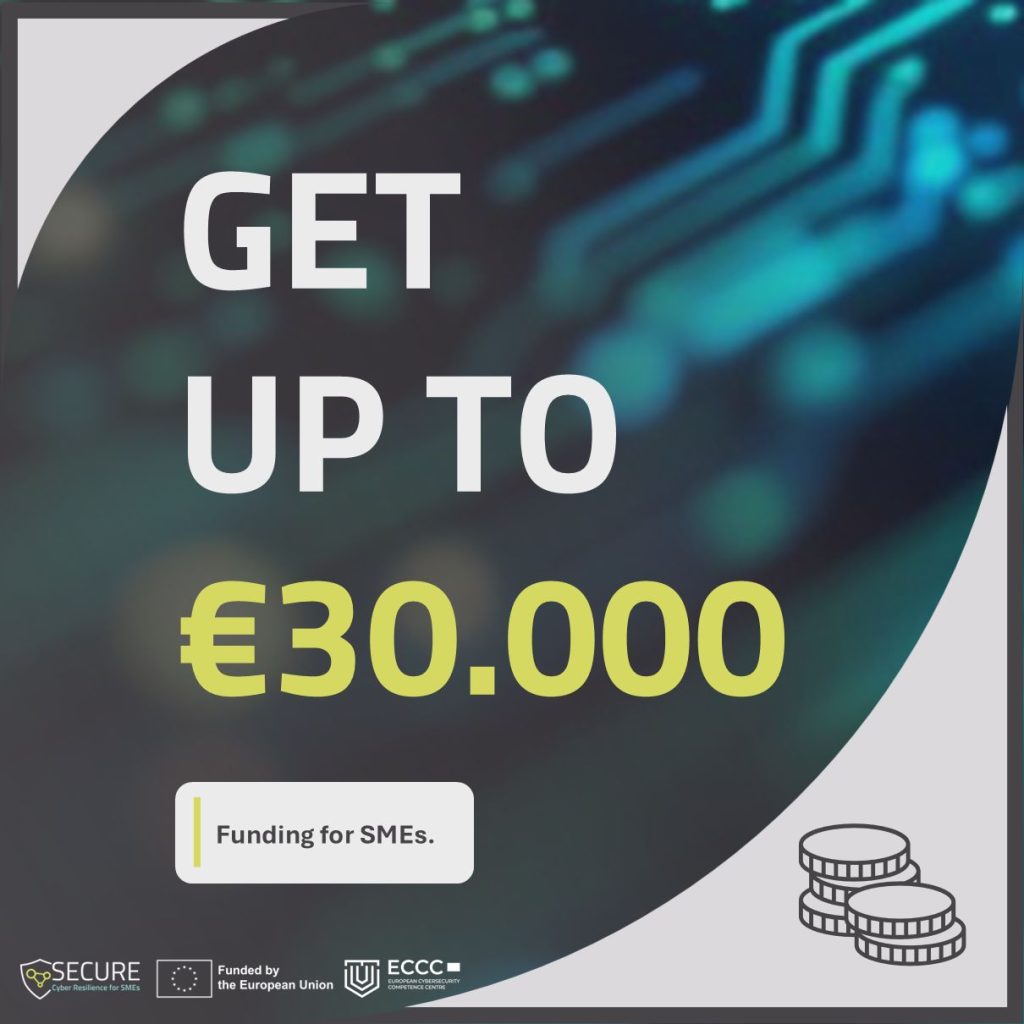
The SECURE project, funded by the European Union and supported by the European Cybersecurity Competence Centre, exists to help micro, small and medium sized enterprises (mSMEs) pay for CRA compliance. Its second open call runs from 1st October to 11th December 2026, with a total budget of EUR 11.5 million. That is more than double the first call, and it is there to be spent.
What is the SECURE project?
SECURE (secure4sme.eu) is an EU funded project that distributes cascade funding: EU money passed directly to companies through open calls, without the company needing to join an EU project or consortium. Its single purpose is strengthening the cyber resilience of European mSMEs so they can comply with the CRA. SECURE is a sister project to our own EU funded project, CRA-AI, under which we built Attestra and the Attestra Academy; both projects are funded by the European Union to make CRA compliance achievable for smaller companies.
How much funding can my company get?
In the first call, one proposal was admissible per organisation, and proposals that missed out could be revised and resubmitted in a later call. If you applied in the first call and were not funded, this is your second chance.
Is my company eligible?
The criteria are refreshingly short. You qualify if you are:
If you make a connected device, an app, embedded software or any product with digital elements sold in the EU, you are very likely in scope of both the regulation and this funding.
What can the funding pay for?
Funding focuses on CRA aligned outcomes across products, infrastructure, processes and governance. In practice, that covers the work a CRA compliance programme is made of: scoping and risk assessment, setting up vulnerability handling and reporting, security testing, technical documentation, and the training your team needs to run all of this in house. Tooling and training such as the Attestra platform and the Attestra Academy can be included in a funded project as the means of achieving compliance.
How are proposals evaluated?
After a formal eligibility check, an independent evaluation committee ranks proposals on three criteria: excellence and relevance to the objectives of the CRA, the expected impact and the clarity of the proposal, and the feasibility of the implementation plan. The scoring criteria and funding terms are published in the official call documentation, so there is no mystery to beat: a clear, concrete, well planned compliance project is what wins.
What should you do before the call opens?
How CRA-AI and Cyber Cert Labs can help
As coordinators of the CRA-AI project, SECURE’s sister project, we know this terrain from both sides: what the CRA demands of manufacturers, and how EU funding programmes think. We offer every mSME a free CRA scope and readiness assessment, and we can help you shape the compliance project your application describes. If your plan includes building in house capability, the Attestra Academy’s ten module, multilingual CRA curriculum and the Attestra platform are ready made, fundable building blocks for it.
Talk to us before you apply: Talk to Us . The call closes on 31 December 2026.
FAQ
Can I apply if my company already started CRA compliance work?
Yes. The funding is for projects aimed at achieving CRA compliance; work already underway can be extended or deepened, though the funded project itself must be new work, not costs already incurred.
Do I need a partner or consortium to apply?
No. Only single legal entities can apply; consortia and business networks are not eligible.
My company is not sure it falls under the CRA. Can I still apply?
The call covers companies whose activity reasonably falls, may fall or will fall within CRA scope. A scope assessment settles the question; we offer one free of charge.
Can training be part of a funded project?
Yes. Funding covers CRA aligned outcomes across products, processes and governance, and building the team capability to achieve compliance, for example through the Attestra Academy, fits that purpose.
What if my first call proposal was rejected?
You can revise it in line with the evaluation report and resubmit it in this call.
Contact Us to find out more

 Download File